ステージStage
樽見鉄道は、岐阜県の大垣駅から本巣市の樽見駅までを結ぶ、全長34.5kmのローカル線です。イベントが行われるのは、本社のある本巣駅から樽見駅までの18.3km、往復約70分間の区間です。
The Tarumi Railway is a local line that runs 34.5 km from Ogaki Station to Tarumi Station in Motosu, Gifu. The festival takes place on the 18.3 km between Motosu Station, where the company has its head office, and Tarumi Station, a round trip of about 70 minutes.
線路脇には常に根尾川が走り、鍋原駅を境に景観の性質が大きく変化するこの舞台について、地理・歴史の観点から紹介します。
The Neo River runs beside the track the whole way, and the character of the scenery changes greatly at Nabera Station. This page introduces that stage through its geography and history.
根尾川The Neo River
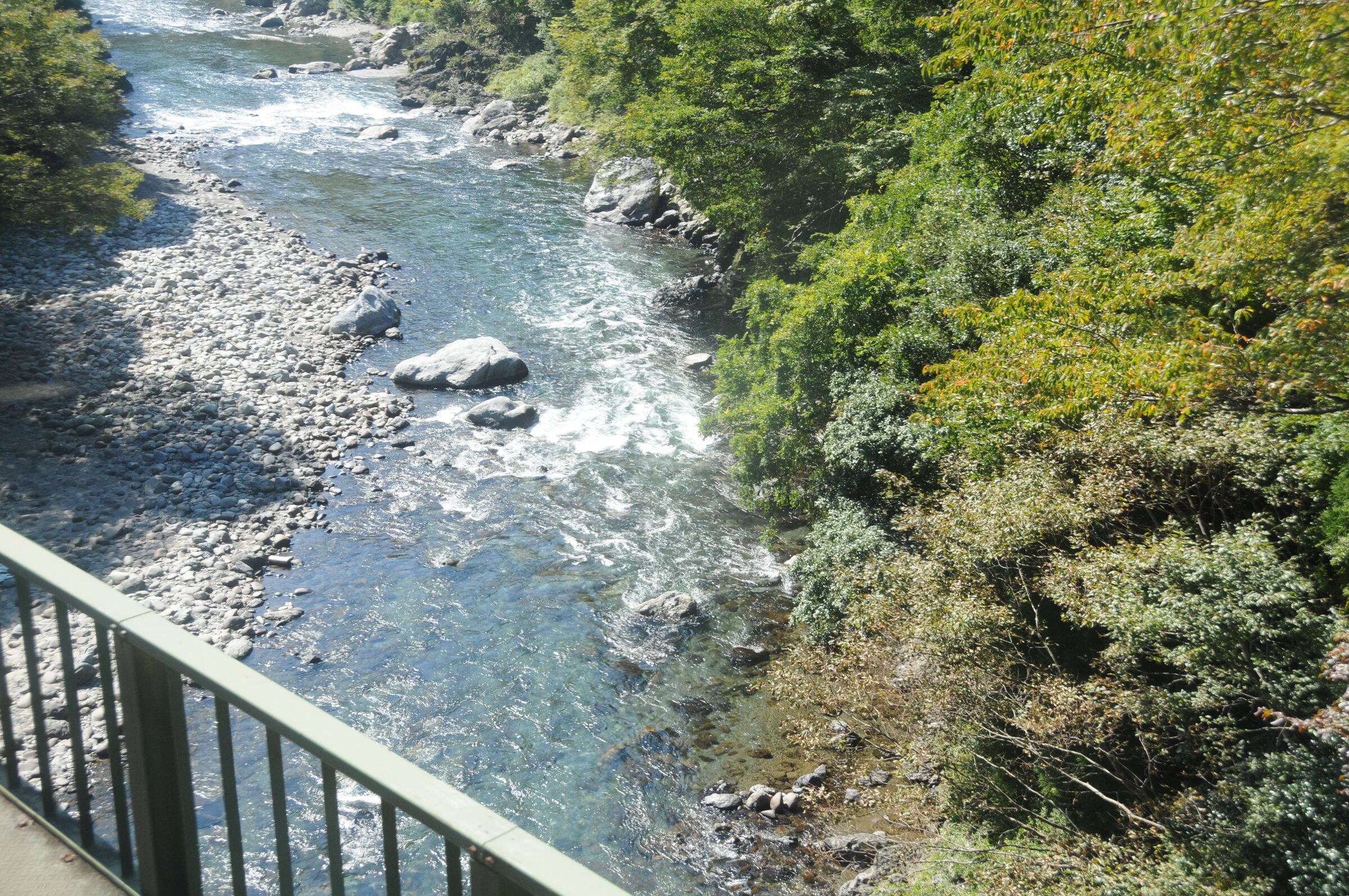
本巣を過ぎて織部駅のあたりから、線路は根尾川の谷に入ります。ここから樽見まで、線路は川に寄り添って北へ進み、鉄橋で10回、川を渡ります。
Past Motosu, around Oribe Station, the track enters the valley of the Neo River. From here to Tarumi it follows the river north and crosses it ten times on iron bridges.
終点の樽見駅がある根尾には、国の天然記念物の淡墨桜と、1891年の濃尾地震で現れた根尾谷断層があります。
Neo, where the line ends at Tarumi Station, is home to the Usuzumi cherry tree, a national natural monument, and the Neodani Fault, which appeared in the Nobi earthquake of 1891.
9つの
トンネル9 tunnels
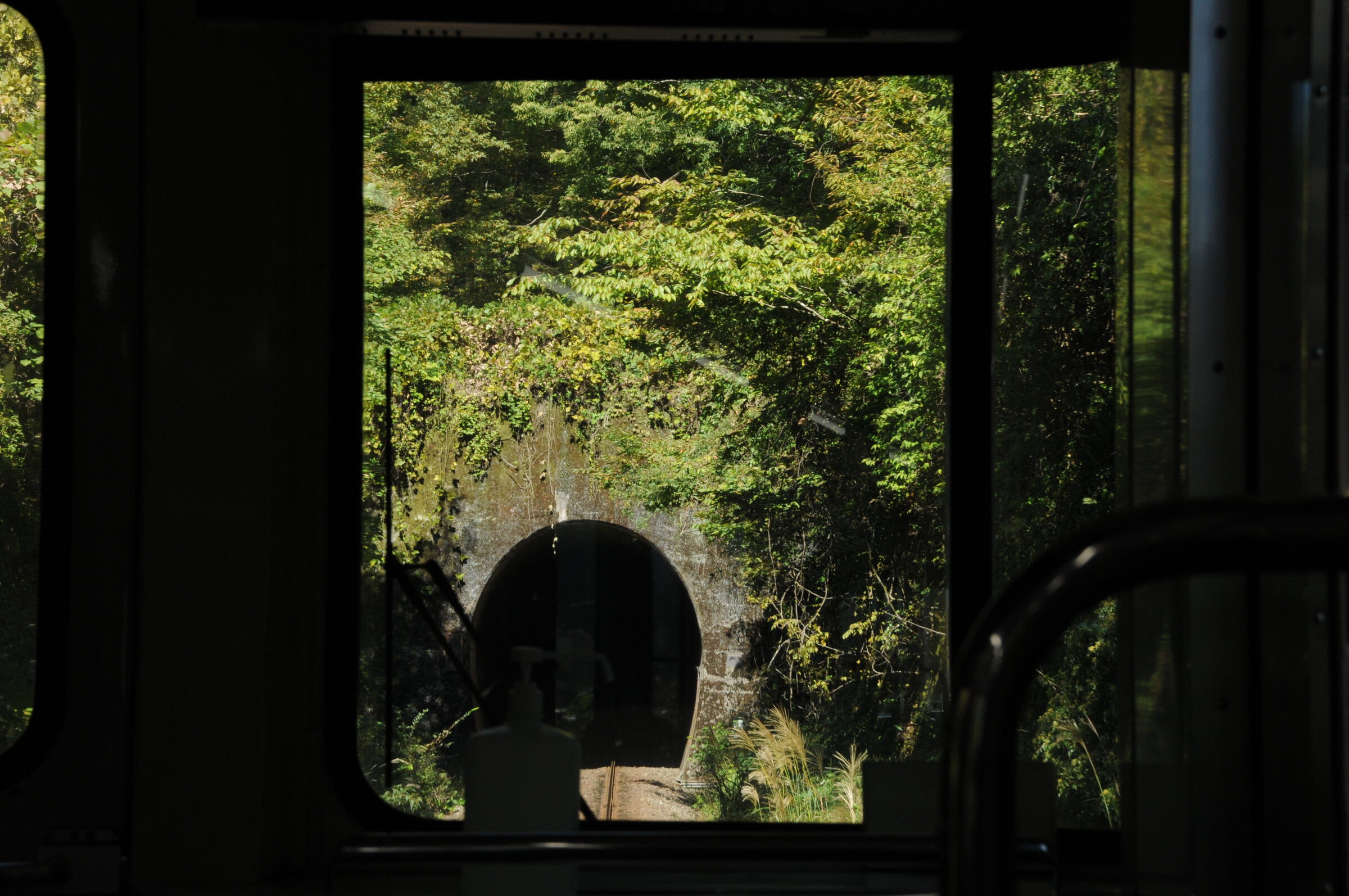
本巣から樽見までに通過するトンネルは9つ。そのうち7つは、鍋原駅より先に集中しています。鍋原までは谷が広く、線路は川沿いの平らな地形を進みますが、鍋原から樽見までの区間は4割あまりの距離がトンネルの中で、激しい明暗の変化が起こります。
The train passes through nine tunnels between Motosu and Tarumi. Seven of them are concentrated beyond Nabera Station. As far as Nabera the valley is wide and the track runs over level ground beside the river, but between Nabera and Tarumi more than 40 percent of the distance is inside tunnels, and the light changes sharply between bright and dark.
歴史History
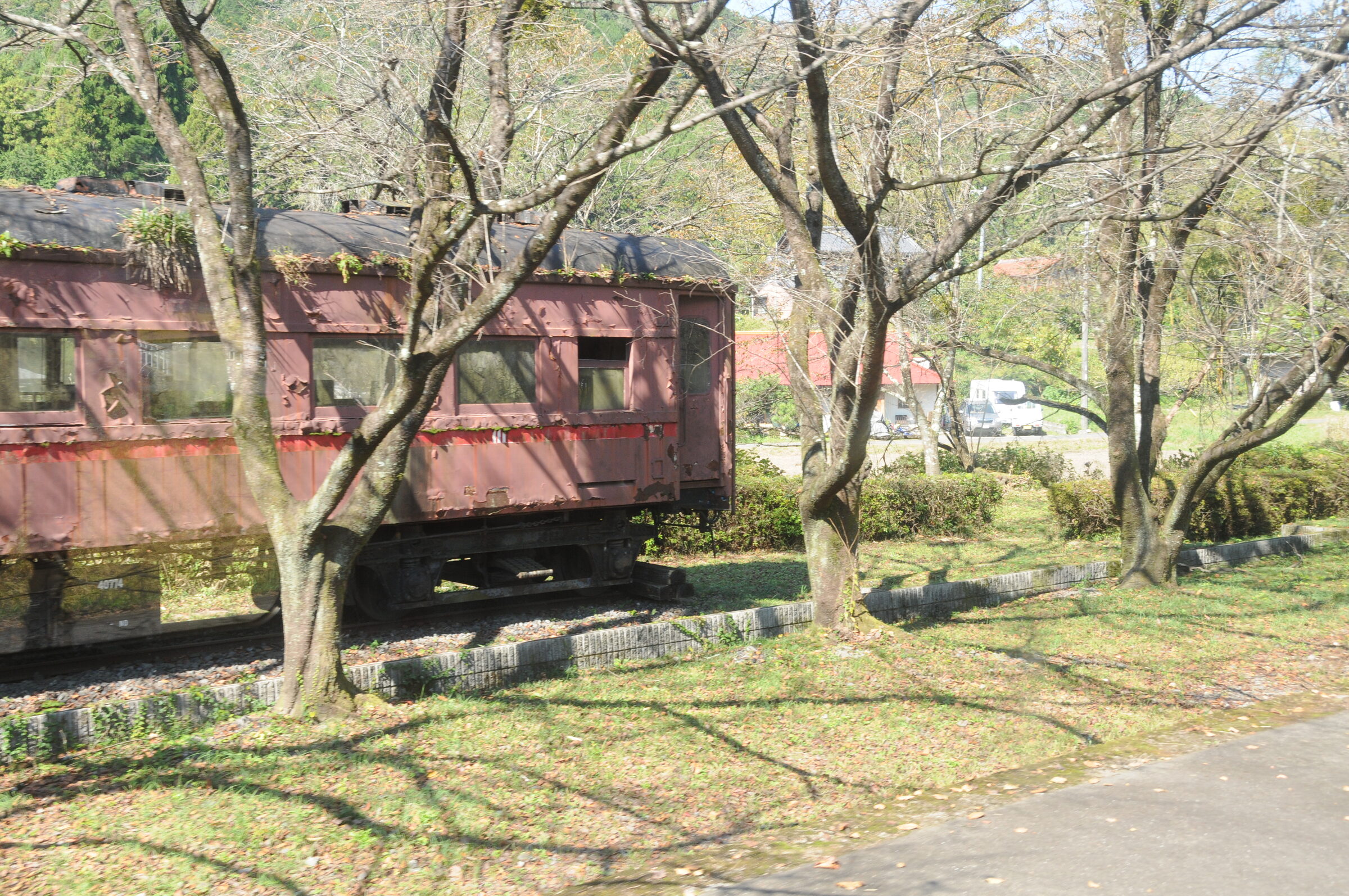
樽見鉄道の成り立ちには、山の資源を運び、地域の産業を発展させようとする構想がありました。もともとは大垣から福井県大野を経て金沢までつなぐ計画の一部で、沿線の石灰石や森林資源の開発も期待されていました。
The Tarumi Railway grew out of a plan to carry resources down from the mountains and develop local industry. It was originally part of a line planned to run from Ogaki through Ono in Fukui to Kanazawa, and it was also expected to open up the limestone and forest resources along the route.
鉄道ができる以前から、根尾川は山と平野を結ぶ輸送路でした。その川沿いを走るこの路線は、1956年に国鉄樽見線として大垣から谷汲口まで開業し、1958年に神海へ延伸。1984年には地域の存続を望む声に支えられて第三セクターの樽見鉄道へ引き継がれ、1989年に樽見までつながりました。本巣の工場からセメントを運ぶ貨物輸送も、2006年までこの鉄道を支えていました。
Before there was a railway, the Neo River was already a transport route linking the mountains and the plain. The line that runs along that river opened in 1956 as the Tarumi Line of Japanese National Railways, from Ogaki to Tanigumiguchi, and was extended to Komi in 1958. In 1984, supported by local voices that wanted it to survive, it was taken over by Tarumi Railway, a company backed by local governments and businesses, and in 1989 it reached Tarumi. Freight trains carrying cement from the factory in Motosu also sustained the railway until 2006.